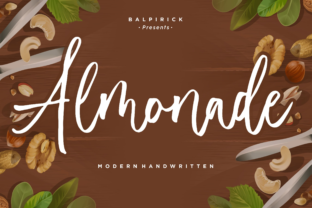
Almonade: The Friendly Handwritten Font for Crafters
As a maker who spends hours perfecting the curve of a vinyl cut or adjusting the kerning on a printable invitation, I know that the right typeface does more than just display words. It sets the tone for your entire brand. When I first discovered Almonade, I was immediately drawn to its incredibly friendly feel. It is not just another digital asset; it is a tool that brings warmth and personality to physical products. Whether you are designing labels for your small batch candles or creating custom wedding signage, this cute and casual handwritten font offers the perfect balance of charm and readability.
In the world of handmade goods, customers are buying into a story. They want to feel a connection to the creator. A sterile, corporate typeface rarely achieves this. Almonade, with its organic strokes and approachable style, bridges that gap. It feels like a note written by a friend, which is exactly the vibe many of us strive for in our Etsy shops and local markets. This script font from Script Amp has become a staple in my design toolkit because it works seamlessly across various mediums, from delicate paper goods to bold home decor.
Elevating Product Presentation with Personality
One of the biggest challenges for small business owners is making mass-produced items feel unique and high-quality. The typography you choose plays a massive role in perceived value. When I use Almonade for product labels, such as those on artisan soaps or homemade jams, the font adds a layer of craftsmanship that plain text simply cannot match. It suggests that care went into every detail, from the ingredients to the packaging design.
This font is particularly effective for short phrases, names, and titles. It shines as a display font where the visual impact is paramount. For example, using Almonade on a wooden welcome sign for a wedding creates an inviting atmosphere before guests even step inside. Similarly, on tote bags or t-shirts, the casual nature of the handwriting makes the design feel trendy and wearable rather than stiff or overly formal. It transforms a simple product into a piece of modern typography that customers are proud to show off.
Versatility Across Craft Projects
The true test of any creative font is its versatility. Almonade proves itself capable in a wide range of applications. For those of us who create digital downloads, this typeface is a goldmine. It works beautifully for planner headers, adding a touch of whimsy to daily organization sheets. In the realm of stationery design, it is perfect for birthday invitations and baby shower announcements. The friendly curves make celebratory messages feel genuine and heartfelt.
If you are a Cricut or Silhouette user, you will appreciate how well this font translates to cut files. While complex scripts can sometimes be tricky to weed, Almonade’s casual style tends to have clean connections that are manageable for most cutting machines. I have used it successfully for intricate sticker designs and vinyl decals for water bottles. The key is to ensure your settings are precise, but the result is always worth the effort. The font maintains its integrity even when scaled down for small stickers, provided you keep the text concise.
Seasonal crafts also benefit from this typeface. Imagine holiday gift tags with "To" and "From" written in Almonade, or a festive banner for a Thanksgiving table. Its adaptability allows it to fit both rustic farmhouse aesthetics and clean, minimalist modern styles. This flexibility means you do not need to buy a new font for every season; Almonade serves as a reliable foundation for year-round creativity.
Readability and Practical Design Tips
While beauty is essential, functionality is non-negotiable. A font that looks great but cannot be read is useless for commercial purposes. Almonade strikes a commendable balance here. However, as with any handwritten font, readability depends on context. It is best suited for headlines, logos, and short bursts of text. Avoid using it for long paragraphs or fine print, such as ingredient lists or legal disclaimers. Instead, pair it with a clean sans serif font or a simple serif font for body text. This contrast ensures that your design remains accessible while still being visually engaging.
When using Almonade for product labels, always test print at actual size. What looks readable on a computer screen might blur when printed on textured paper or cut from thin vinyl. I recommend doing mockup previews to check spacing and alignment. If you are creating SVG-style designs for web design or social media graphics, ensure that the lines are thick enough to remain visible on smaller mobile screens. This attention to detail protects your brand identity and ensures a professional finish.
Building Brand Consistency
Consistency is key to building customer recognition. By adopting Almonade as part of your core design assets, you create a cohesive look across all your touchpoints. From your Instagram posts to your physical packaging, using the same typeface helps customers instantly recognize your work. This consistency builds trust and reinforces your brand identity. Whether you are a boutique owner selling clothing or a designer creating printable wall art, a unified typographic style makes your business look established and professional.
Before finalizing your designs, check the included styles and features of the font file. Many premium fonts like Almonade come with alternates, ligatures, and swashes that can add extra flair to your logo design or special projects. Exploring these options allows you to customize the look further, ensuring that your designs stand out in a crowded market. Additionally, verify multilingual support if you plan to sell internationally, ensuring your characters render correctly for all customers.
Licensing and Commercial Use
Finally, it is crucial to address licensing. As creators, we must respect intellectual property rights. Always review the license agreement for Almonade to understand the scope of commercial use. Typically, a standard commercial license allows you to use the font in physical products you sell, such as mugs, shirts, and printed invitations. It may also cover digital downloads like templates and SVG files. However, restrictions often apply to embedding the font file itself in software or redistributing the font file. Understanding these boundaries protects your business and supports the type designers who create these valuable tools.
Incorporating Almonade into your workflow is more than just a design choice; it is a strategic move to enhance the emotional appeal of your products. By combining its friendly aesthetic with practical design principles, you can create items that not only look beautiful but also resonate deeply with your audience. Happy crafting!